
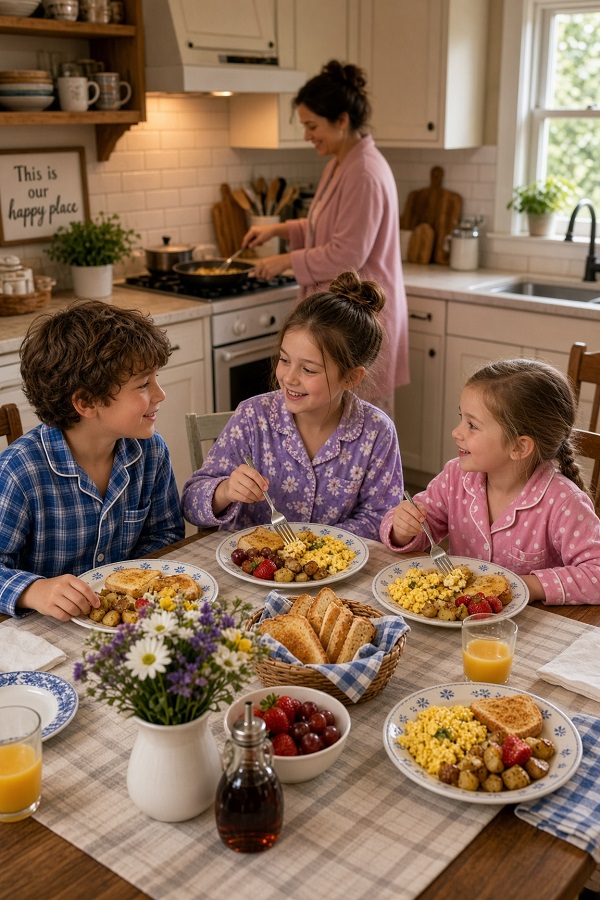
Let’s Talk About Managing Your Time (Without Losing Your Mind)
Can we just be real for a second? So many of us start homeschooling with this beautiful picture in our heads—peaceful mornings, kids who actually *want* to learn, and the freedom to do school our way. Then life happens. The laundry multiplies overnight, one kid is struggling with reading, dinner still has to appear somehow, and by 3:00 you’re wondering where the day went.
You have the vision. You just don’t always know where to start. And that’s okay. You’re not failing. You’re just figuring it out—and I’m right here with you.
Why De-Schooling Matters More Than You Think
Here’s something I wish someone had told me sooner: before you jump straight into lesson plans and schedules, give your family a real season of de-schooling. It’s not laziness—it’s wisdom.
During that time, you get to watch your child’s natural sleep and eat cycles without the pressure of “school.” Once you understand those rhythms, you can build a basic ebb and flow around meals and simply keeping the house in order. *Then* you gently add the studies. De-schooling also gives you space to notice how your child actually learns best and to plan out the year without feeling rushed. It’s the quiet foundation that makes everything else fit so much better.
Start With Your Family’s Natural Rhythm
The best schedule isn’t the prettiest one on Pinterest. It’s the one that matches the way *your* people already move through the day.
Some kids wake up ready to conquer the world. Others need a slow start and a snack before their brains turn on. Some of us think clearest before lunch. Others don’t hit our stride until the afternoon. Watch your family for a few days (or longer during that de-schooling season). Notice when everyone is at their best—and when they’re not. Then build your school time around those natural highs instead of fighting against them. When you work *with* your family’s rhythm instead of against it, everything feels lighter.
Looking at the Year First
Before you fill in every single day, step back and look at the big picture. Decide roughly how many weeks you’re going to school this year. Mark the holidays, the inevitable sick days, and any family trips. Breaking the year into terms or quarters helps so much—it keeps that mid-year “we’re so behind” panic from sneaking up on you. Knowing the overall pace takes a lot of pressure off the daily grind. And yes, that de-schooling season is the perfect time to map this out calmly.
Daily Flow and Lesson Plans
Your day doesn’t have to look like a traditional school schedule. A lot of us do something simple like:
Morning basket or read-aloud time → core subjects while everyone’s still fresh → lunch and outside time → lighter work or projects in the afternoon.
Lesson plans can be as detailed or as loose as you need. Some mamas love a full written plan. Others just keep a weekly checklist and decide the order each morning. Either way is fine. The goal is less decision fatigue, not more. And please—keep it realistic. Three solid subjects finished feels so much better than seven half-done ones and a mom who’s exhausted.
Making School and Chores Work Together
School and housework are sharing the same hours and the same people, so they have to be teammates. Give the kids age-appropriate jobs that happen before or after the focused learning time, not right in the middle of it. A quick “reset” at the end of the school day—clear the table, put books away, start a load of laundry—keeps the house from completely taking over by evening. Little systems like that add up.
Outside Activities (The Temptation Is Real)
Co-ops, sports, music, church stuff… they can be wonderful, but they also eat big chunks of time and energy. Be honest with yourself about how many you can handle without everyone getting stretched thin. Protecting some white space in the week is one of the kindest things you can do for your home.
Cooking Tips That Actually Help
Dinner is one of those things that can steal your afternoon peace. A few simple habits make a huge difference: plan meals once a week, keep a short list of go-to dinners that don’t require a recipe, and batch-cook when you can. Let the kids help in the kitchen—it counts as life skills and it lightens your load. When you already know what’s for dinner, the whole afternoon feels calmer.

A Special Note for the Working Homeschool Moms
If you’re also working—whether outside the home, from home, or running your own thing—I see you. The juggling is real. Protect a consistent block of focused teaching time, even if it’s shorter than you’d like. Some of us school early in the morning, some after work, some in bigger weekend chunks with independent work during the week. Figure out which subjects need you and which can be covered other ways. Be clear with your family (and yourself) about what’s realistic. Progress still counts when the time you do have is used with intention instead of guilt.
Making Your Time Stretch Farther
A few little habits go a long way: Prep the night before. Use timers so lessons don’t drag on forever. Batch similar work. Build in margin because interruptions are coming whether you plan for them or not. And regularly ask yourself, “Is this still serving us?” It’s okay to drop things that aren’t.
Homeschooling was never meant to be a perfect classroom in your living room. It’s about creating a learning life that fits the actual people under your roof. When you start with de-schooling, honor your family’s real rhythm, keep the systems simple, and give yourself grace, that vision you started with becomes something you can actually live in—one ordinary, imperfect, beautiful day at a time.
You’ve got this, mama. Really. Just keep showing up and adjus